Das elektrische Licht wurde nicht durch die Verbesserung der Kerze erfunden
Unser Einstieg in die Reifen- und Räderindustrie erfolgte über die von Seichter patentierten, kapazitiven Sensoren zur Geometrie-Messung. Zahlreiche Maschinenbau-Unternehmen, die heute zu den führenden Anbietern für die Reifen- und Räderhersteller zählen, haben ihre Sensoren bei Seichter zugekauft.
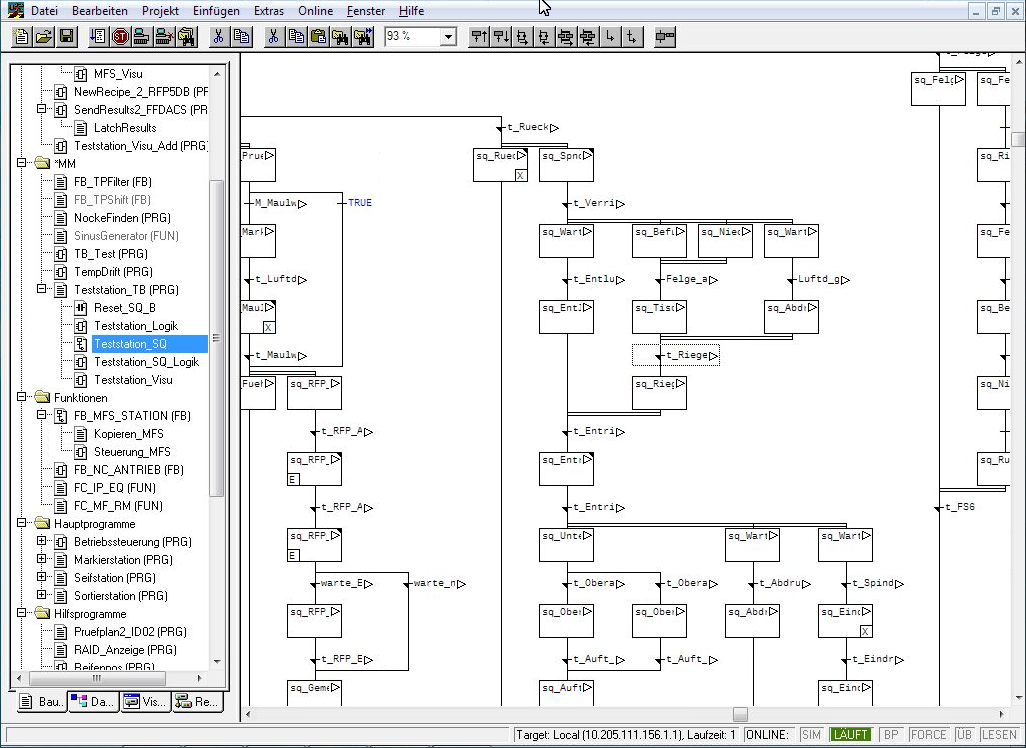
In den frühen zweitausender Jahren hat sich die Seichter GmbH entschieden, selbst Prüfmaschinen für das Final Finish von Reifen und Rädern zu bauen. Schnell wurde Seichter zum Systemlieferant von Komplettlinien von der Seifstation bis zum Sortierlift. Von Anfang an haben wir auf inhouse entwickelte Software gesetzt und auch bereits früh auf die Vorteile der Modularität von Software-Bausteinen.
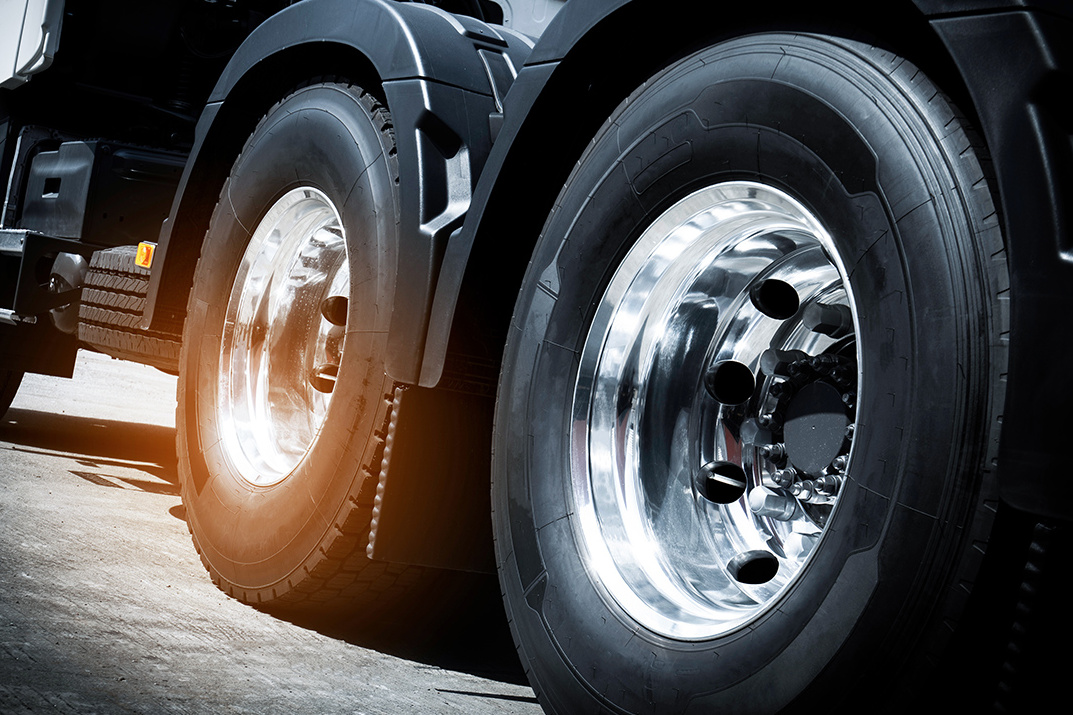
Unser Produktprogramm haben wir ständig erweitert und wir sind damit heute Partner von weltweit führenden Herstellern von Motorradreifen, Pkw-Reifen, Pkw-Rädern und Lkw-Reifen.
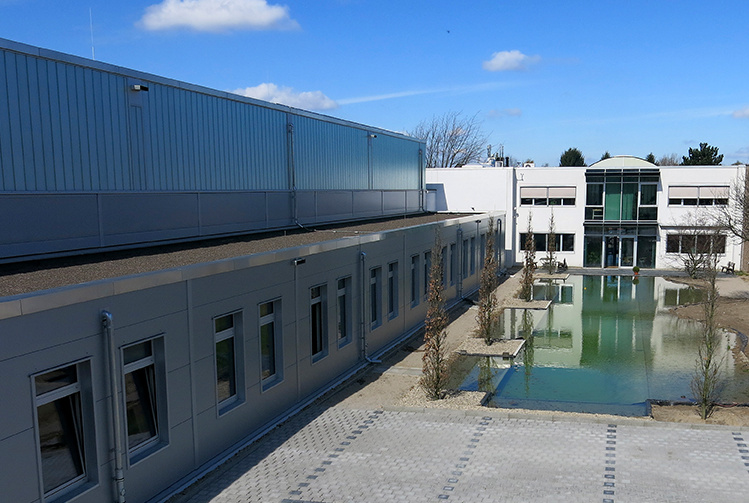
Unser Produktionsstandort befindet sich in Hannover; zuhause sind wir in der Welt
Wir bekennen uns zum Standort Deutschland und leben Made in Germany im engsten Sinne. D.h. unsere Zulieferanten befinden sich in unserer Nähe und sind seit Jahren verlässliche Partner. Nur so können wir Ihnen unser Qualitätsversprechen garantieren.
Immer wichtiger wird auch im Maschinenbau der CO2-Footprint der Maschinen. Die im Markt bekannte Langlebigkeit unserer Prüfmaschinen, die Energierückgewinnung der Maschine im Betrieb und der geringe Energieverbrauch unserer kompakten Maschinen sind dabei wichtige Bausteine.